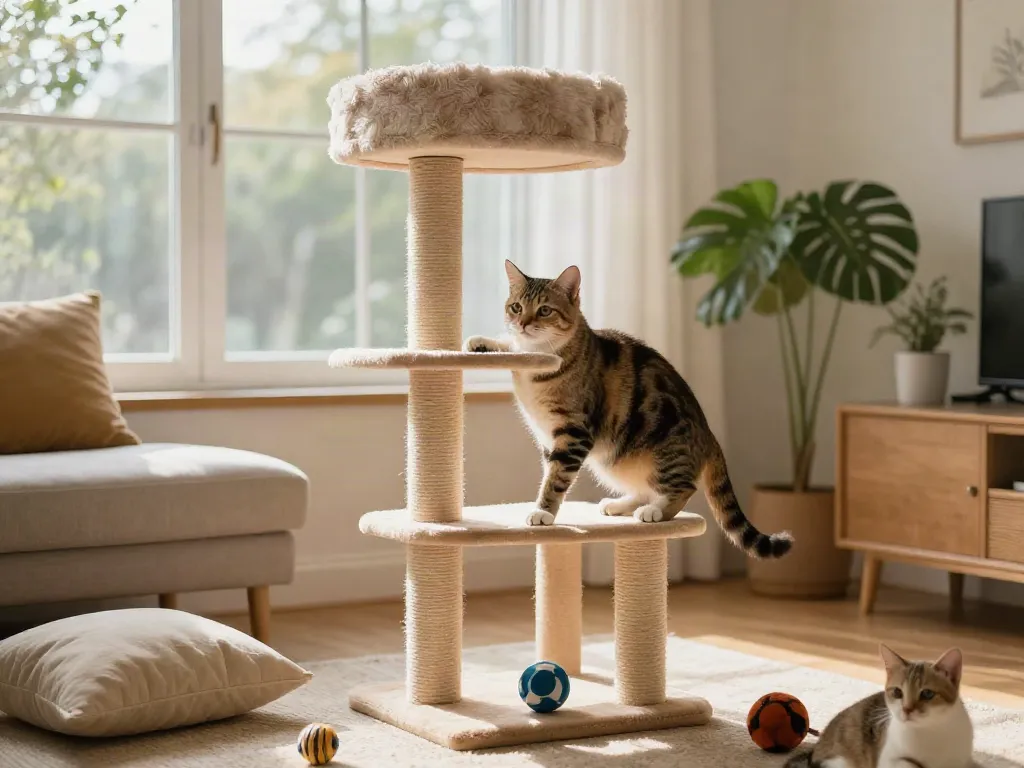
Understanding Cat Cat Trees
For cat owners, selecting the right furniture for their feline friends can significantly impact both the pets' happiness and their own home dynamics. A cat cat tree serves as an essential piece of equipment, providing not only a play area but also a sanctuary where cats can engage in their natural behaviours. Ideal for indoor environments where cats need stimulation and a safe space to exercise, these structures come in various designs and materials, catering to different preferences and living situations.
When exploring options, cat cat tree collections show a wide variety of styles to suit every cat’s needs. This guide outlines the necessity of cat trees, their benefits, and what to consider when selecting the perfect one for your furry companion.
What is a Cat Cat Tree?
A cat cat tree is a multi-tiered structure designed specifically for felines. It typically includes perches, scratching posts, and sometimes enclosed spaces. Cat trees come in numerous designs, allowing them to fit in with various home aesthetics while providing a dedicated play area for cats. The height and the number of platforms vary, giving pets the opportunity to climb, scratch, and lounge. This furniture is vital for indoor cats to mimic their natural environment, where climbing and surveying their territory is essential.
Importance of Cat Cat Trees for Feline Health
Providing an engaging and stimulating environment is essential for a cat’s overall health. A cat cat tree can promote physical activity, helping to maintain a healthy weight and muscle tone. Exercise through climbing and jumping is crucial for indoor cats, who may lack the opportunity to roam outside. Moreover, these trees help to reduce stress and anxiety in cats by offering a safe space where they can retreat and feel protected. The presence of scratching posts encourages natural scratching instincts, which is vital for maintaining healthy claws.
Materials and Design Features of Cat Cat Trees
When selecting a cat cat tree, the materials used are paramount. Common materials include wood, pressed cardboard, and faux fur, each providing different levels of durability and comfort. High-quality trees may feature sturdy wooden frames, ensuring stability during vigorous play. Additionally, trees with sisal-wrapped scratching posts can help satisfy a cat's urge to scratch while protecting furniture. Design features such as ramps, tunnels, and removable cushions add to the versatility and appeal of these structures.
Choosing the Right Cat Cat Tree
Factors to Consider for Different Cat Breeds
Not all cats have the same preferences or needs. Different breeds can exhibit varying traits; for instance, larger breeds like Maine Coons may require a sturdier, larger tree to accommodate their size and weight. In contrast, smaller breeds such as Singapura may thrive with more compact models. Understanding your cat’s behaviour and physical characteristics is crucial when selecting the right cat cat tree. Additionally, consider the personality of your cat; some may prefer enclosed spaces while others enjoy open, high spaces.
Evaluating Size and Space Needs
Once you have assessed your cat’s needs, the next step is to determine where the cat tree will be placed. Measure the available space in your home to ensure the selected cat tree fits comfortably without overwhelming the area. Consider vertical space too; taller trees can provide climbing opportunities without taking up too much floor space. Always ensure that the cat tree's dimensions correspond to the size and agility of your cat.
Safety Features to Look For
Safety should be a top priority when selecting a cat cat tree. Look for features such as stable bases to prevent tipping and secure fastenings for any attached elements like hammocks or tunnels. Additionally, ensure the materials are non-toxic and safe for cats. Some cat trees come with safety straps to attach them to the wall, providing extra stability, especially for larger, multi-level designs.
Benefits of Cat Cat Trees for Cats and Owners
Encouraging Natural Behaviours in Cats
Cat cat trees are not mere luxuries; they serve crucial roles in promoting natural behaviours. Scratching, climbing, and jumping are instinctual behaviours for cats that can be easily facilitated by offering a dedicated space. This can prevent destructive behaviours in the home, such as scratching furniture or climbing on counters. By providing a suitable outlet for these instincts, owners can foster a more harmonious living arrangement.
Enhancing Indoor Play and Exercise
In today's urban environments, many cats are predominantly indoor pets. A cat cat tree provides much-needed exercise opportunities that are essential for their physical health. Regular playtime on the cat tree can help combat obesity and encourage muscle development. Owners can also engage in interactive play with their cats on these structures, promoting bonding and ensuring mental stimulation.
Reducing Stress and Anxiety in Pets
Many cats can experience stress and anxiety, especially in busy households or environments with frequent changes. A cat cat tree can serve as a safe retreat where they can hide or observe their surroundings from a high vantage point. This not only gives them a sense of security but also helps them feel more in control of their environment, thereby reducing stress levels.
Maintaining and Caring for Your Cat Cat Tree
Cleaning and Upkeep Best Practices
Maintaining a cat cat tree is essential for both hygiene and longevity. Regularly vacuuming or shaking out cushions and platforms will help remove fur and debris. Spot cleaning any stains with mild detergents is advisable; however, avoid harsh chemicals that could be harmful to pets. Depending on the materials, some parts may be machine washable, while others may require manual cleaning.
Identifying Wear and Tear Indicators
Keeping an eye on the condition of your cat cat tree is vital for your cat’s safety. Inspect for frayed rope, loose screws, or unstable platforms. If sections become too worn, they might pose a risk to your cat’s safety. Regular checks will allow you to identify and address any potential issues early on.
Replacing Parts vs. Buying New
Over time, parts of a cat tree might require replacement due to wear and tear. Many manufacturers offer replacement parts, which can be a cost-effective solution compared to buying a new unit. However, if the entire structure has become worn or unstable, investing in a new cat cat tree may be more beneficial in ensuring your pet's safety and enjoyment.
Emerging Trends in Cat Cat Trees for 2026
Innovative Design Trends for Modern Cat Owners
As the pet furniture industry evolves, so do the designs of cat cat trees. Modern cat trees often blend seamlessly with home decor, appearing more like stylish furniture than traditional pet items. Features such as modular designs that can be adapted to fit different spaces or themes are becoming increasingly popular, allowing cat owners to create unique environments for their pets.
Eco-Friendly Materials in Cat Furniture
Amid growing environmental concerns, many manufacturers are shifting towards sustainable practices. Eco-friendly cat cat trees made from recycled materials or sustainably sourced wood are gaining traction. These products appeal to environmentally conscious cat owners who wish to reduce their carbon footprint while providing their cats with a safe and enjoyable space.
Smart Technology Integration in Cat Cat Trees
The rise of smart home technology is also influencing cat furniture design. Integrated features such as automatic feeders, cameras to monitor pets, and even interactive toys that engage cats while their owners are away are becoming increasingly common. These innovations not only enhance cat playtime but also provide peace of mind for owners looking to stay connected with their pets.
What should I consider when buying a cat cat tree?
Consider your cat’s size, breed, and behaviour. Evaluate the tree's height, stability, and materials used to ensure a safe and enjoyable experience.
How can a cat cat tree improve my cat's behaviour?
A cat cat tree satisfies your cat's natural instincts to climb, scratch, and observe, reducing destructive behaviours and promoting healthy exercise.
Are there specific cat cat trees for larger breeds?
Yes, larger breeds may require more robust and spacious cat trees designed to support their size without compromising safety and stability.
What are the best materials for cat cat trees?
Look for durable materials like solid wood for frames, sisal for scratching posts, and non-toxic fabrics for soft surfaces to ensure safety and longevity.
How often should I clean my cat cat tree?
Regular cleaning should be performed at least once a week, with deeper cleaning every month to maintain hygiene and remove fur and debris.